The MVP of Filipino Sports: Making Valuable Progress
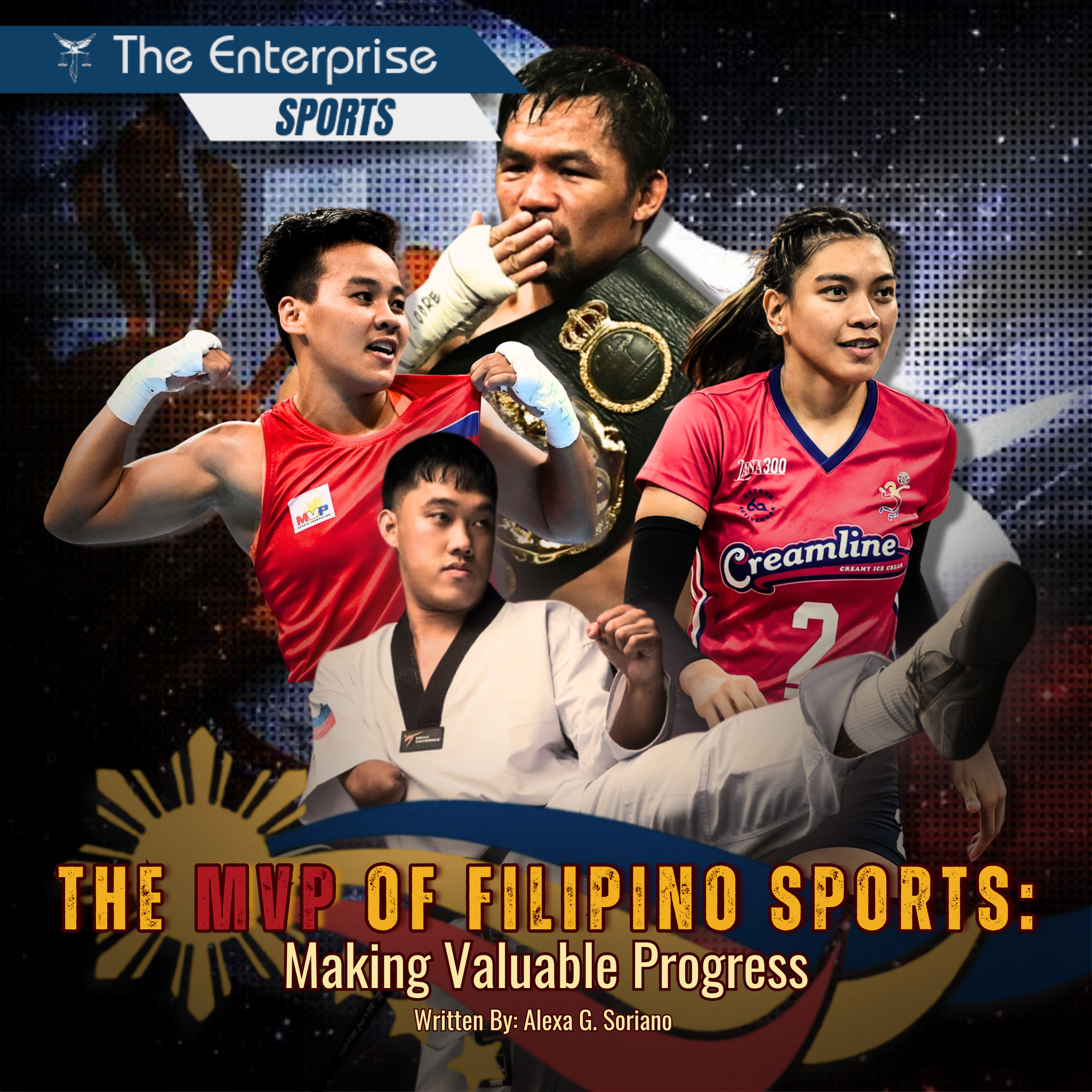
They have conquered courts, shattered records, and lifted their nation to victory.
For generations, Filipinos have demonstrated their talent beyond the national walls through sports competitions. However, what if their greatest triumph is not a medal… but a movement?
Today, a new generation of champions is showing just that. With the same discipline and passion that made them legends on the court, they are now advocating for a better future, a legacy that will be felt long after the final whistle.
Sportsmanship in Service
Some of the country’s most admired athletes are demonstrating that their greatest victories do not always come from medals or trophies, but from the lives they impact through their foundations and charitable work.
Manny Pacquiao, from his reign in his boxing career that is celebrated around the world, continues to fight for causes close to the Filipino heart. Through the Manny Pacquiao Foundation, he has funded housing projects, provided support for victims of trafficking, and offered relief to communities in need.
Another personality is Alyssa Valdez. From her days as a varsity player to being a professional volleyball star, Valdez has remained committed to empowering the youth. Last October, she launched the Alyssa Valdez Youth Volleyball Camp (AVYVC) for children aged 9 to 12 to learn, grow, and dream bigger.
“I think ‘yung purpose din na hinahanap ko po, it’s more than just about playing na. Actually, hopefully, helping the kids and serving the sport in any way possible,” she shared in an interview.
It is not only athletes themselves who are fueling this momentum. Even figures outside the arena, such as businessman and Presidential Adviser for Sports Dennis Uy, are working to expand Filipino sports through initiatives like the Siklab Atleta Foundation, which has supported celebrated champions like Hidilyn Diaz, Carlos Yulo, and EJ Obiena.
Medals to Mandates
For a lot of sportsmen, the quest for a brighter future goes beyond the field, the court, or the ring. It is not just about physical battles anymore—it is about stepping into the halls of Congress and pushing for change through proposals of bills and policies that ensure fair and lasting treatment for athletes.
This call for systemic change is not a new one. Michael “Mikee” Romero, a polo player and congressman at the time, proposed creating a dedicated Department of Sports to strengthen grassroots programs. Though his House Bill No. 335 remains pending, it marked a turning point: athletes were beginning to demand systemic solutions from the government, not just temporary remedies.
Recently, a wave of sports heroes has taken their fight beyond competition and into the halls of legislation. Last year, Olympian fencer Maxine Esteban, supported by fellow champions such as Hidilyn Diaz and EJ Obiena, advocated for the “National Athlete Protection Act”. This comprehensive initiative pushed for fair selection from national sports associations, mental health support, post-career assistance, and due process.
While many of these measures are still making their way through Congress, some have already left a mark. One example is the Hidilyn Diaz Act (House Bill No. 9990), named after the country’s first Olympic gold medalist. Authored by former Speaker Lord Allan Velasco, the bill was crafted in response to Diaz’s own struggles, tackling issues like the taxation of athletes’ winnings and the difficulties they face in securing sponsorships.
Breaking Barriers
In recent years, as more athletes use their voices for social good, a new generation of Filipino champions is stepping up to advocate for more personal truths, to open the doors for vital discussions on what is usually frowned upon.
For instance, para-taekwondo athlete Allain Keanu Ganapin has become a powerful symbol for the empowerment of differently-abled athletes. “Kagaya lang po kami ng ibang tao na abled-bodied. Tao rin kami,” he shared in an interview, hoping to spark courage among others like him and bring awareness that para-athletes deserve to be respected just like their able-bodied counterparts.
Boxer Nesthy Petecio, a proud member of the LGBTQIA+ community, has used her Olympic success to champion inclusivity. “Whatever your gender is, as long as you have a dream, keep fighting,” she said following her medal ceremony. Her win proves that one’s gender has no bearing on one’s ability to pursue one’s dreams.
Likewise, basketball standout Jack Animam has publicly urged for a professional women’s basketball league, arguing that college athletes deserve a better, clearer path forward. Her advocacy gained weight when the Gilas Women’s team finally qualified for the World Cup. As she shared, “It carries a heavy weight, especially this is the first time na we have a chance to maybe make our debut in the World Cup. To have that win and finally, you know, Philippine women’s basketball in the World Cup is in the same sentence,” cementing a legacy that extends far beyond her own triumphs on the court.
In the end, the true measure of our athletes is not just in the records they break or the medals they bring home, but in the voices they raise, the causes they champion, and the futures they fight to shape. By turning victories into service and platforms into movements, these athletes are redefining what it means to be champions—proving that the most valuable progress in Filipino sports is not only about winning games, but about winning change.